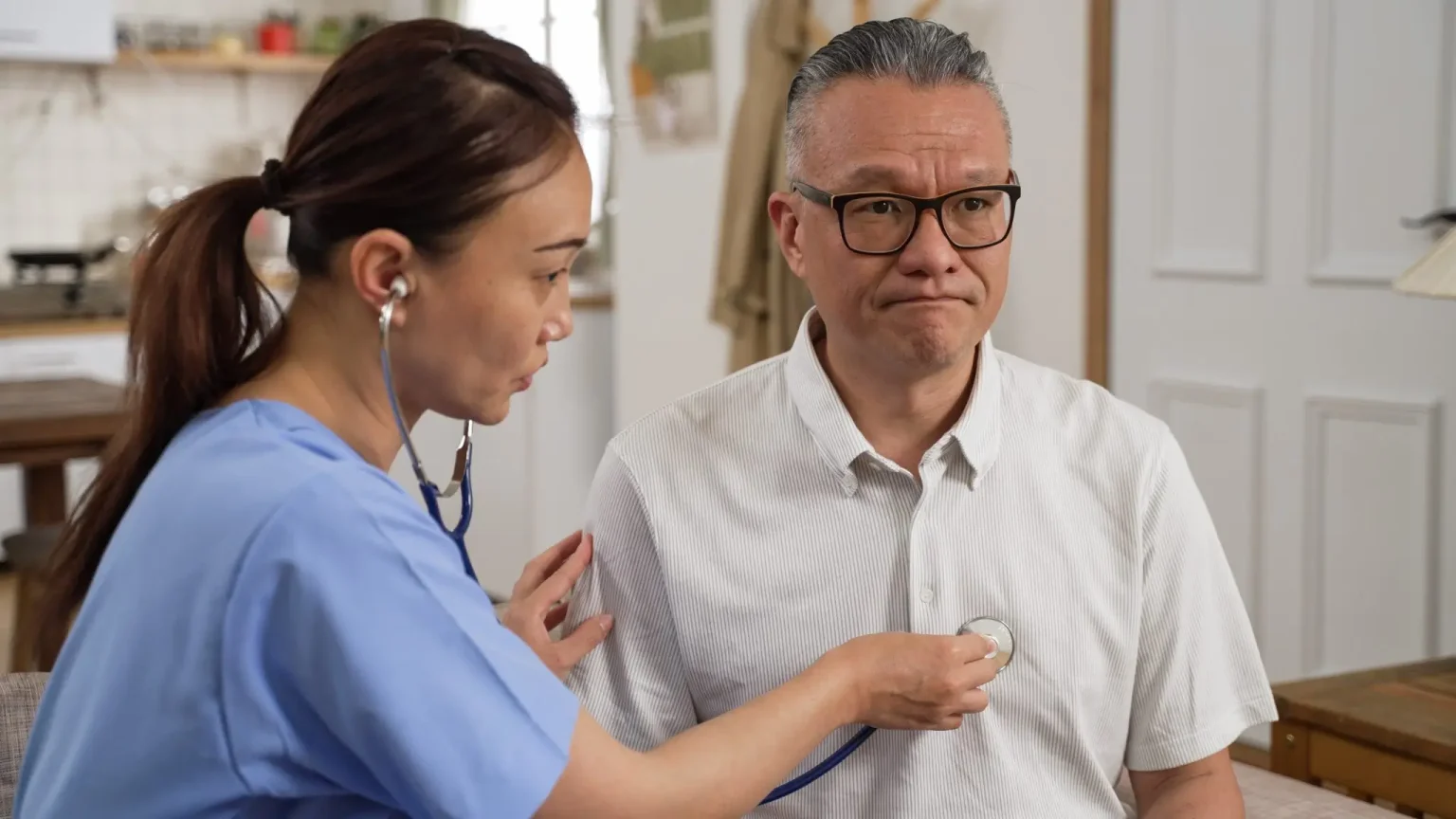


Walk into almost any doctor’s office at 7:45 AM, and someone is already there: unlocking doors, powering on computers, and pulling patient charts for the day ahead. That person is not a physician. It is the medical assistant. Physicians’ offices employ 57% of all medical assistants in the United States, making the medical office the defining environment of the profession. The daily demands of that setting span both clinical patient care and administrative office operations.
What Does a Medical Assistant Do in a Medical Office?
Medical practices rely on two parallel systems: clinical care and administrative operations. Medical assistants are trained to manage both. The dual capability distinguishes the role from dedicated front desk staff or specialized nursing roles, and it explains why practices of every size keep medical assistants on staff.
Clinical Responsibilities
Medical assistants serve as the patient’s primary point of contact during an office visit. Before the physician enters the exam room, the medical assistant has already escorted the patient, recorded the primary concern, updated health histories and current medications in the EHR, and measured core vital signs: blood pressure, pulse, temperature, height, and weight.
Following the provider’s examination, the assistant may administer vaccinations, collect lab specimens, apply wound dressings, or assist with minor in-office procedures.
Administrative Responsibilities
Between patient appointments, medical assistants manage the logistical tasks that keep a practice running on schedule:
- Managing appointment schedules and confirming arrivals.
- Verifying insurance coverage and securing prior authorizations.
- Updating electronic health records to maintain regulatory compliance.
- Routing clinical calls, prescription refills, and patient questions to providers.
- Assisting with medical billing, insurance claims, and coding updates.
The balance shifts depending on practice size and specialty. A solo family practice may have a medical assistant alternating between clinical and administrative work throughout the day. A larger specialty clinic often distributes those functions across separate staff members.
For a full breakdown of how duties vary across settings beyond the medical office, the clinical and administrative overview covers hospital, outpatient, and specialty environments in depth.
Medical Office Assistant Duties, Day by Day
A medical assistant’s shift begins before the first patient arrives. Opening tasks include powering on equipment, stocking exam rooms, reviewing the appointment schedule, and confirming patient charts are ready. From that point, clinical and administrative duties interweave at the pace of the patient schedule.

When a physician needs assistance during an examination, the medical assistant steps in. Between appointments, the focus shifts to insurance verification, prescription refill requests, and EHR updates. If procedures run long or urgent walk-ins arrive, priorities shift without the remaining task list disappearing. The shift ends when documentation is complete, specimens are properly stored or sent to the lab, and rooms are ready for the following morning.
The duties assigned to any one medical assistant depend on the practice and its staffing model. Medical assistants familiar with both clinical and administrative functions adapt more readily across practice environments. Those weighing career options after training can find a breakdown of where the credential leads in what to do with a medical assistant diploma.
Medical Assistant Skills That Matter in an Office Setting
Training programs cover procedures and clinical protocols. The communication, organizational, and technical skills medical assistants develop alongside that training determine how well those procedures hold up in a real practice.
Communication
Medical assistants relay information between patients and the care team throughout the day. They explain post-visit instructions in plain language, collect accurate histories from patients who may be anxious or unclear about their symptoms, and handle calls from patients, insurers, and pharmacies.
When a patient does not understand medication instructions, the medical assistant recognizes the gap and adjusts the explanation. Clear communication reduces errors and builds the patient trust that practices depend on.
Electronic Health Record Proficiency
EHR documentation is the administrative backbone of modern medical office operations. Medical assistants enter data accurately, update records in real time, and navigate multiple software platforms depending on the practice. A medication allergy entered incorrectly can lead to a dangerous prescription.
A vital sign recorded in the wrong patient’s chart can delay diagnosis. Errors in documentation carry downstream consequences for billing accuracy, referral processing, and continuity of care.
Attention to Detail
Medication administration, specimen labeling, and insurance verification each carry consequences when done incorrectly. Medical assistants develop habits of double-checking entries, confirming patient identifiers before procedures, and following established protocols without shortcuts. Precision at this level protects both the patient and the practice.
Time Management
A physician’s schedule rarely runs without interruption. Patients arrive late, procedures run long, and urgent calls arrive between routine tasks. Medical assistants who adjust priorities on the fly without losing track of what still needs to get done keep the office running even when the day goes off course.
The Medical Assisting program at Gwinnett Colleges & Institute develops these skills in a structured, hands-on curriculum built around what outpatient practices actually hire for.
Medical Assistant Employment Outlook
The career offers job stability and long-term growth. According to the Bureau of Labor Statistics, medical assistant employment is projected to grow 12% from 2024 to 2034, much faster than the 3% average across all occupations, with approximately 112,300 openings projected each year over the decade.

National Figures: BLS Occupational Outlook Handbook, 2024. Georgia figures: BLS OEWS 2024. State-level growth projections are updated independently by state labor agencies.
As more procedures shift from hospital settings to outpatient clinics, demand for medical assistants who handle both clinical and administrative work continues to rise. Completing a structured medical assisting program positions graduates to step into the role from day one.
Where Medical Assistants Fit in the Office Care Team
Medical assistants occupy a defined position in the care team hierarchy, and knowing where that line falls matters for anyone considering the role. They are not nurses. They do not diagnose conditions, prescribe medications, or develop treatment plans. Clinical work operates under the direct supervision of a licensed physician or provider. The distinction shows up in training requirements: a diploma or certificate program rather than a nursing degree, with scope of practice determined at the state level.
Medical assistants are also distinct from medical office administrators. Office administrators focus entirely on business operations: staffing, budgeting, facility management, and compliance. Medical assistants bridge those operations and direct patient care, making the role adaptable across practice types and sizes.
For a detailed comparison of how the two roles differ in daily function and training, medical office assistant vs. medical assistant covers both in full.
Taking the First Steps to a New Career in Healthcare
In most outpatient practices, medical assistants are the first clinical professional a patient sees and frequently the last staff member the patient speaks to before leaving. The role sits at the intersection of direct patient care and office operations, which is why it appears in virtually every outpatient practice regardless of size or specialty.
Medical offices need professionals trained to handle both clinical and administrative work from the start. The Medical Assisting program at Gwinnett Colleges & Institute delivers hands-on instruction in both areas, preparing graduates for the demands of outpatient practice. Contact admissions to learn about requirements and upcoming start dates.
Frequently Asked Questions About Medical Assistant Duties
What Is the Difference Between a Medical Assistant and a Medical Office Assistant?
A medical assistant handles both clinical care and administrative duties. A medical office assistant focuses almost exclusively on front desk administrative responsibilities, without performing clinical tasks such as taking vital signs, administering injections, or collecting specimens.
What Does a Medical Assistant Do on a Typical Day in a Medical Office?
A medical assistant moves between patient care and office operations throughout the shift. Clinical tasks include recording vital signs, preparing exam rooms, assisting with procedures, and administering medications. Administrative tasks include scheduling, EHR documentation, insurance verification, and billing support.
How Does a Medical Assistant Differ From a Nurse?
Medical assistants work under physician supervision and cannot independently diagnose conditions, prescribe medications, or develop treatment plans. Nurses hold professional licenses and have broader clinical authority. Medical assistants complete certificate or diploma programs, typically in under a year, and focus on supporting physicians and managing office operations.
Is Certification Required to Work As a Medical Assistant in a Medical Office?
Certification is not required in most states, but the Certified Medical Assistant (CMA) credential from the American Association of Medical Assistants strengthens job prospects and signals professional competency to employers.
How Long Does It Take To Complete a Medical Assisting Program?
Most diploma and certificate programs can be completed in under a year, though program length varies by institution and curriculum structure.